How monsoon season causes water damage in Sun City
Sun City's monsoon storms drop months of rain in hours. Here's how that water gets into your home, what it costs to fix, and how to stop it.
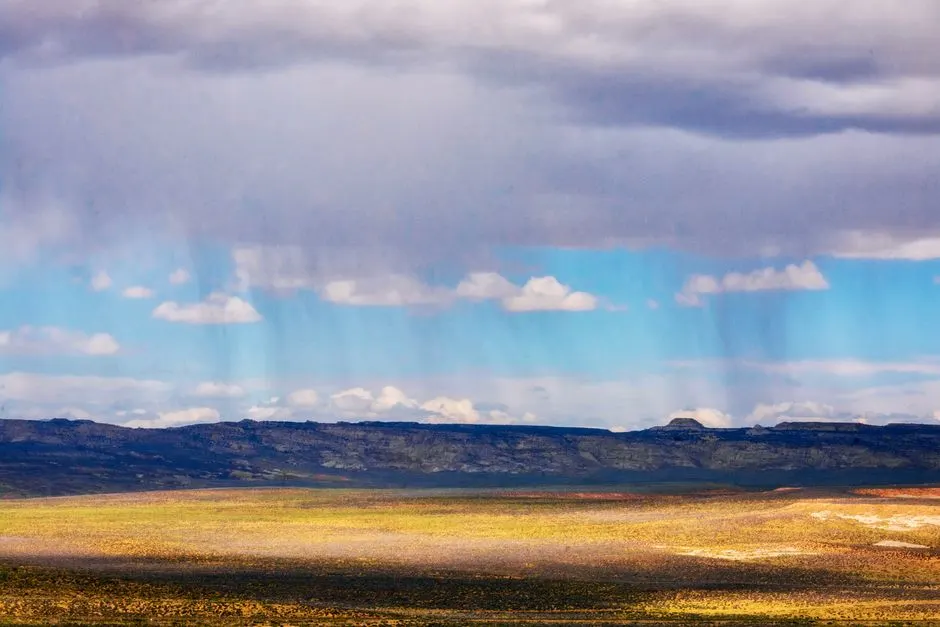
Monsoon season causes water damage in Sun City because desert thunderstorms dump 1 to 3 inches of rain in under an hour onto ground that cannot absorb it, and that water has to go somewhere - usually into your roof, your walls, or your yard. The storms run from roughly June 15 through September 30, and the damage they leave behind does not dry out on its own in 110-degree heat the way most people assume.
What follows is what we see on calls across Sun City every summer: how the water gets in, what it costs to fix in 2026, the mistakes that turn a $900 repair into a $14,000 rebuild, and how to keep your home dry next season.
Why Sun City Gets Hit So Hard by Monsoons
Sun City sits in the lower Sonoran Desert, where monsoon storms arrive as isolated cells that can drop more rain in 40 minutes than the area averages in an entire winter. The National Weather Service tracks the Arizona monsoon from June 15 to September 30, and the Phoenix metro averages around 2.5 inches of rain across those months - but averages lie out here.
A single microburst over the West Valley can unload 2 inches on one neighborhood and leave the next subdivision bone dry. Those storms also carry 40 to 70 mph outflow winds that peel back shingles, snap swamp cooler covers, and drive rain sideways into places rain was never supposed to reach.
The bigger problem is the ground. Caliche - the calcium carbonate hardpan under most of Sun City - acts like a parking lot. Water that would soak into soil in other parts of the country instead sheets across yards, pools against foundations, and finds every gap in your stucco, your roof flashing, and your sliding door tracks. That is the mechanism behind most of the monsoon flooding Sun City Arizona homeowners deal with.
The Five Ways Monsoon Water Gets Into Your Home
Almost every monsoon call we run in Sun City traces back to one of five entry points. Knowing which one you are dealing with tells you how fast you need to act.
1. Roof leaks and failed flashing
Sun City's housing stock is largely 1960s and 1970s ranch construction with flat or low-slope roof sections, and 50-year-old flashing does not survive a 60 mph gust followed by a horizontal rain band. Water pushes past lifted shingles, cracked pipe boots, and dried-out sealant around vents.
You usually find out at 2 a.m. when a brown ring blooms on the ceiling. By then, water has been traveling along the roof deck and down into the attic insulation for hours. If your ceiling is already showing stains, our Roof Leak Water Damage Restoration Sun City AZ team can trace the entry point and dry the framing before the drywall sags.
2. Flash flooding at grade
When 2 inches of rain falls in an hour, the desert washes and street drains back up fast. Water pools against garage doors, seeps under exterior thresholds, and wicks up stucco walls. Homes on the low side of a cul-de-sac or backing a natural wash take the worst of it.
3. Sliding door and window tracks
Every Sun City home has them, and every one of them has a weep hole that has been clogged with desert dust since the last storm. Water fills the track, overflows the sill, and runs straight into the carpet or laminate.
4. AC condensate and evaporative cooler lines
Monsoon humidity spikes to 50 percent or higher, and your AC starts producing condensate at two or three times its normal rate. A cracked drain pan or a clogged condensate line turns that into a slow leak inside the closet or hallway ceiling.
5. Plumbing and slab leaks exposed by soil movement
Monsoon rain swells the soil around your foundation, then it shrinks back hard when the heat returns. That cycle flexes buried copper supply lines and sewer laterals. A pinhole that was harmless in May becomes a wet spot on the hallway floor in August.
How does monsoon season cause water damage in Sun City AZ?
Monsoon season water damage Sun City AZ is the result of intense, short-duration rainfall overwhelming roofs, drainage, and soil that were never built for it. The damage happens in three phases: intrusion during the storm, saturation in the 24 to 72 hours after, and secondary damage - mold, warped wood, rusted fasteners - in the week that follows.
Phase two is where most homeowners get into trouble. Sun City's average July high is 106 degrees, and people assume that kind of heat dries everything out. It does the opposite. High heat plus monsoon humidity creates a greenhouse inside wall cavities. Drywall paper, wood studs, and carpet padding hold moisture for days, and mold can begin colonizing a wet wall in 24 to 48 hours.
That is why we treat every monsoon call as a clock problem, not a cleanup problem. The faster we pull standing water and start moving air through the structure, the less of your home we have to replace.
What Monsoon Water Damage Actually Costs in 2026
Typical 2026 pricing in the Sun City area runs from about $850 for a small ceiling leak that we catch early to $18,000 or more for a flooded addition with ruined flooring and cabinets. Here is what drives the number:
- Water extraction and drying: $1,200 to $3,800 for a single room, including equipment, monitoring, and a drying report.
- Drywall repair and repaint: $400 to $1,500 per affected wall or ceiling section.
- Flooring replacement: $6 to $14 per square foot for laminate or tile, more for engineered wood.
- Mold remediation: $1,500 to $6,500 depending on how much of the wall cavity is affected.
- Roof repair: $350 to $2,500 for flashing, boots, and shingle work.
Most monsoon claims we document fall between $3,000 and $9,000. The difference between a $3,000 claim and a $9,000 claim is almost never the storm - it is how many days passed before someone called.
Common Mistakes Sun City Homeowners Make After a Storm
The mistakes that turn a manageable leak into a major loss are almost always the same ones, and they happen in the first 48 hours.
- Waiting for the ceiling to stop dripping before calling. Water is still inside the assembly even after the drip stops. The drip stopping means the water found a new path, not that it dried.
- Running a household fan and calling it drying. A box fan moves air across the surface. It does not pull moisture out of a wall cavity. You need dehumidification and air movers sized to the cubic footage.
- Throwing away the wet materials before documenting them. Your adjuster needs photos and moisture readings before anything leaves the house. We handle that documentation as part of the job.
- Assuming the storm is over because the radar looks clear. In Sun City, a second cell can hit the same neighborhood 90 minutes later. If your roof is already compromised, the next storm finishes the job.
- Not checking the attic. Half the monsoon roof leaks we find in Sun City have been leaking for weeks. The stain shows up on the ceiling long after the insulation is soaked.
If you are already past the point of prevention, our Water Damage Inspection Sun City AZ includes thermal imaging and pin-type moisture meters so we can tell you exactly how far the water traveled - usually in under an hour.
How to Prevent Monsoon Water Damage in Sun City Arizona
Monsoon water damage prevention Sun City Arizona comes down to a short checklist you run in May, before the first storm, and a second pass in August when the season peaks. None of it is expensive. All of it works.
- Clear your roof drains and scuppers. Desert dust and palm fronds clog flat-roof drains every year. If water stands on your roof for more than an hour after a storm, the drain is blocked.
- Re-seal flashing and pipe boots. A $40 tube of polyurethane sealant applied in May prevents a $2,000 ceiling repair in July.
- Clean sliding door weep holes. A toothpick and 30 seconds per door. That is the whole job.
- Check your AC condensate pan and line. Pour a cup of water down the line. If it does not drain in 10 seconds, call someone.
- Grade soil away from the foundation. You want 6 inches of fall over the first 10 feet. In Sun City, that usually means adding soil, not removing it.
- Test your sump pump or flood barriers if you have them. Batteries die. Check them in June.
If you want a second set of eyes on the whole house before the next storm, our Moisture Detection Services Sun City AZ will map every damp spot in the structure - including the ones you cannot see from inside.
When to Call a Professional
Call us when water has been inside your walls or under your floors for more than a few hours, when the wet area is larger than a bath towel, or when you can smell that musty, earthy odor that means mold has already started. Those three conditions cover about 90 percent of the monsoon calls we run in Sun City.
Sun City WaterGuard handles the whole job: we extract the standing water, set drying equipment sized to your square footage, document everything for your insurance claim, and repair the drywall, flooring, and paint once the structure is dry. You get one crew and one point of contact from the first call to the final walkthrough.
If you are not sure whether you need us yet, call anyway. A 10-minute phone conversation is cheaper than a $6,000 mold remediation.
Frequently Asked Questions
How does monsoon season cause water damage in Sun City AZ?
Monsoon storms drop 1 to 3 inches of rain in under an hour onto caliche hardpan that cannot absorb it. The water sheets across yards, backs up against foundations, and forces its way through roof flashing, door tracks, and stucco cracks. Saturation and mold follow within 24 to 72 hours.
What should I do after monsoon water damage in Sun City?
Shut off the water source if you can find it, kill power to any wet rooms at the breaker, and photograph everything before you move it. Then call a restoration crew within a few hours. Do not run a shop vac on standing water near outlets, and do not wait for the ceiling to stop dripping.
Does homeowners insurance cover monsoon water damage in Sun City?
Yes, in most cases. Standard Arizona HO-3 policies cover sudden and accidental water damage from wind-driven rain, roof leaks, and burst pipes. Flooding from an overflowing wash or street is usually excluded and requires separate flood coverage. We document every claim with photos and moisture readings to support your adjuster.
How to prevent monsoon water damage in Sun City?
Clear roof drains and scuppers in May, re-seal flashing and pipe boots, clean sliding door weep holes, test your AC condensate line, and grade soil 6 inches away from the foundation over 10 feet. That checklist takes a weekend and prevents most of the monsoon damage we see.
How long does monsoon water damage restoration take in Sun City?
A single-room leak typically dries in 3 to 5 days with professional equipment, plus 2 to 4 days for drywall and paint. A flooded addition with flooring replacement runs 2 to 3 weeks. The drying phase is the long pole - repairs cannot start until moisture readings are back to baseline.
Get Help with Water Damage Restoration in Sun City
Monsoon season runs June 15 through September 30, but the damage it leaves behind does not wait for the calendar. If your home took on water this season, call us today and we will be on-site to extract, dry, and document before the mold clock runs out.
Call Sun City WaterGuard at (623) 259-0599 for 24-hour monsoon water damage restoration in Sun City.